 HU
HU

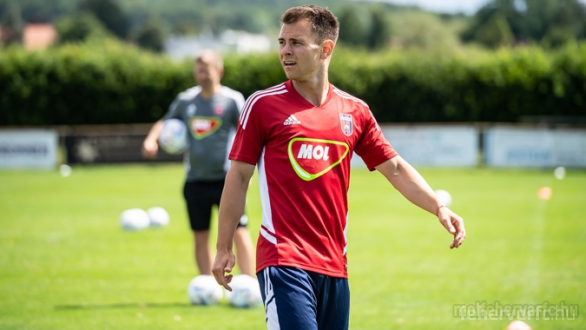
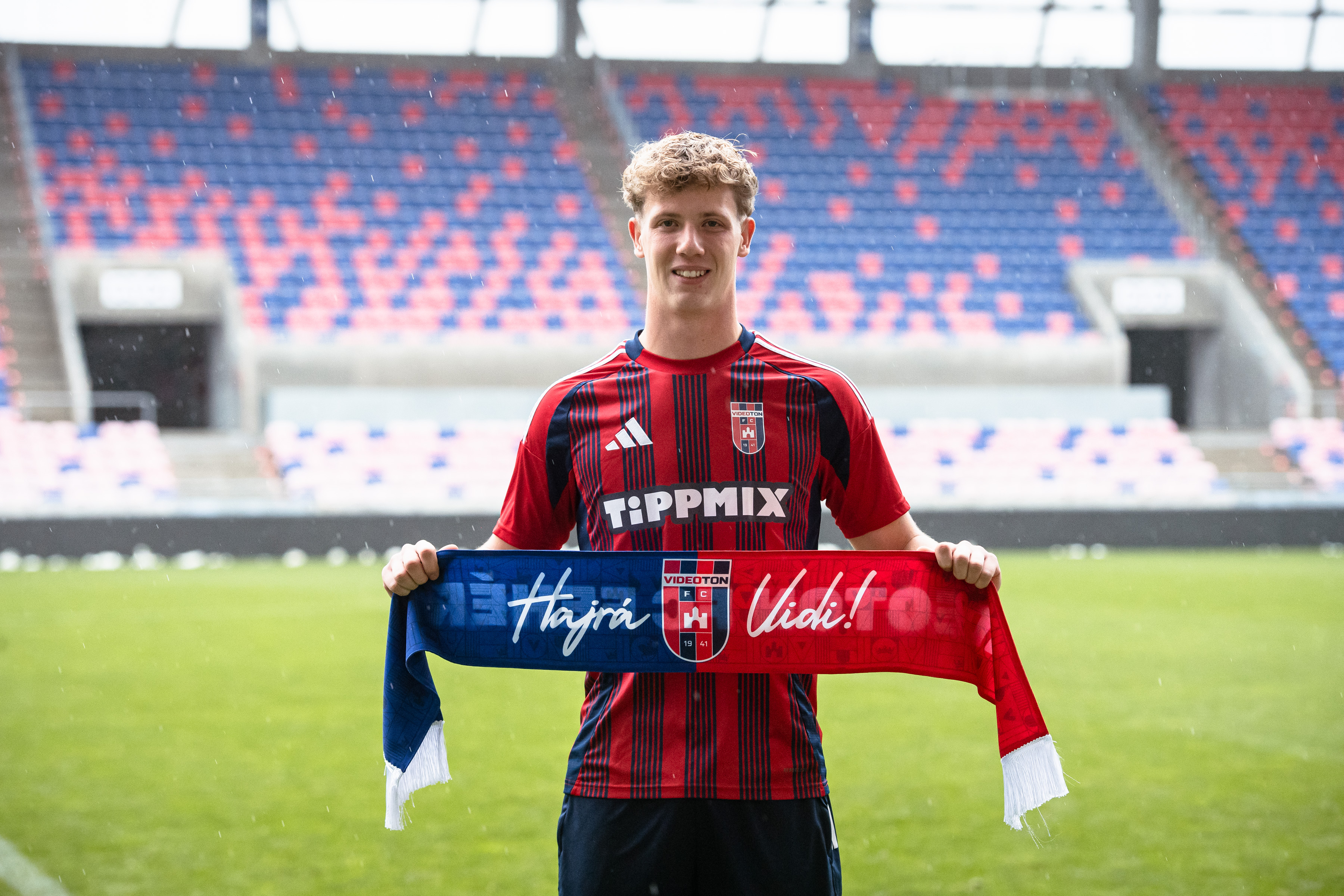
We talked to Bumba at length about his childhood, his career so far, his role models and his future in Fehervar.
Claudiu Bumba was born on the 5th January 1994 in Nagybánya, Romania. He made his senior debut at a very young age, just 15 years old, in a Romanian second division match for Baia Mare. A year and a half later, he made his debut in the Romanian top flight, then playing for Tîrgu Mureș. In the summer of 2012, still a youth player but already a one-time Romanian national team international, he was loaned in a one-year deal to Italian side AS Roma. Bumba won the Primavera Super Cup with the Italian side, scoring in the final. From 2015-2017, he spent a spell in Israel with Hapoel Tel Aviv, followed by Dinamo Bucharest and later Concordia Chiajna. In the 2018/2019 season, he played for Turkish club Adanaspor. He moved to Hungary in 2019 and has played for Kisvárda for the last three years. He played 92 games for the silver medallists, scoring 21 goals and providing 17 assists.
- How do you remember your childhood, did you always want to be a footballer? As long as I can remember, I always played with a ball as a kid. I can be seen with a ball in all my childhood photos, but I couldn't tell you when and why I developed my passion for the ball. Nobody in my family used to play football, but I remember watching football on TV as a child when I wasn't playing with the ball. I was fascinated by the game itself and the atmosphere that characterised football matches. When I got a little older, I used to play football with my friends in the yard and in the surrounding streets all the time, sometimes it was completely dark and we could hardly see anything, but we kept on kicking. My parents didn't put any pressure on me, they didn't want me to be a footballer at all costs, but they didn't stop me from playing football, and when they saw that I was serious, they gave me all the help they could. - Who was your role model as a child? I didn't have a specific role model, but I was lucky in the sense that I grew up in a period when there were a lot of good Romanian footballers in both domestic and foreign leagues and as a child I obviously dreamed of having a similar career - a dream I haven't given up on yet (laughs). Of course, I didn't only look to Romanian footballers as role models, I really liked the play of Shevchenko and Thierry Henry. - You started your professional career very young, at the age of 15, when you made your debut in the Romanian second division. What are your memories of that period? In hindsight, it's funny to think that I had teammates who were 38-39 years old at the time, who are now grandfathers (laughs). In any case, I think it was important for my career that I was able to make my debut among the pros at such a young age, and the older, experienced teammates helped me to fit in as quickly as possible. Think about it, these players were really professional, playing in the second division at the age of 38, which is not easy even nowadays. - Before coming to Hungary, you played in Italy, Israel and Turkey, in addition to Romania. And you went to Italy at a very young age, how do you remember your adventure in Rome? It was a very formative period in my life. My manager indicated that AS Roma would sign me on loan, and I didn't think much about whether I should take the plunge. I was 18 at the time, it was my first time abroad, it took me a while to settle in a place that was completely new to me, but at the same time I gained a lot of experience and lessons in life. I had the opportunity to train with Roma's first team on several occasions and they had some brilliant players at the time. I was the top scorer in the age group I was playing in, we won the Primavera Super Cup, I scored in the final, so I really look back on that year with fond memories. I also had a good period in Israel and Turkey, which contributed to my development. - You moved to Hungary three years ago, scored 21 times in 92 games for Kisvárda and also provided 17 assists. Are you satisfied with this period? I feel I have no reason to complain. The last three years have been a crucial time, not only for my career but also for my personal life. I got married and my son was born in 2020. I also feel that my performances on the pitch has been good. By signing for Vidi, I have taken another big step in my career, as Vidi is one of the biggest Hungarian clubs and I am proud to wear the red and blue shirt of Fehérvár in the future. - What are your plans in Székesfehérvár? I think it is important for me to be able to develop further, and Székesfehérvár offers all the conditions for this. I would like to help the club to achieve good results in the domestic and international arena. I feel that I have managed to integrate quickly into the team. Another important aspect is that Székesfehérvár is a wonderful city, and I have already chosen the apartment where my wife, son and I will live. I'm looking forward to making my debut in a Vidi shirt at the MOL Arena Sósto.

(In 2012, AS Roma beat Inter Milan 2-1 in the Primavera Super Cup final, with Bumba scoring the first goal)
Author: David Rechnitzer